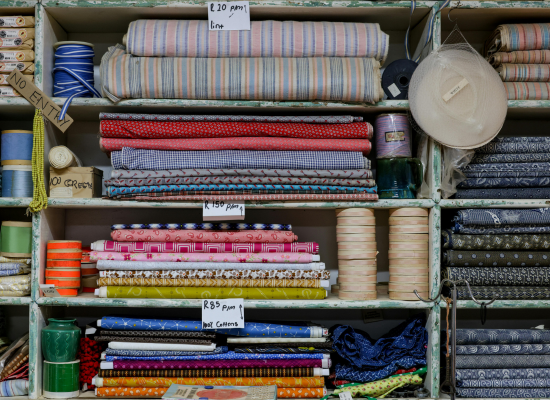
In 1994, a network of reuse centres began taking shape across Flanders. They were called Kringwinkels — circular shops — run by social enterprises assigned exclusive service areas across the region's 308 municipalities. What started as a coordinated approach to giving goods a second life has, over three decades, become something more significant: proof that a network of social enterprises can move from operating within a policy framework to actively shaping one.
At the centre of that journey is HERWIN, the organisation that represents, coordinates, and professionalises the Kringwinkel sector. Its most consequential contribution has been to the design and achievement of Flanders' reuse targets — binding, separate targets that have existed since 2007, well before most European regions had begun discussing them. The first aimed to raise reuse from 3.28 kg per inhabitant to 5 kg by 2015. The region nearly got there. A new target of 7 kg by 2022 followed, and while it fell short at 6.03 kg, the consistent upward trajectory over fifteen years represents a genuine achievement. The current target is 8 kg per inhabitant by 2030.
Targets, however, are only as good as the data that measures them. This is where HERWIN built something less visible but equally important: a shared traceability system — KPRS software — that allows Kringwinkel operators to record data consistently across the whole network. Weight, product type, volumes prepared for reuse: all captured in a standardised format, validated jointly with OVAM, the regional public waste agency, and published annually. In a sector where proving impact is both essential and chronically difficult, that data infrastructure gave social enterprises the evidence needed to advocate for support — and gave public authorities the confidence to set more ambitious targets.
The challenges ahead are real. Declining quality of donated goods, the rise of fast fashion, and the growing influence of online resale platforms are all making weight-based targets harder to meet. HERWIN has been clear about this, because its role has never been simply to celebrate what the sector achieves — it is to represent what the sector needs.
Social enterprises in Flanders currently employ 6,151 people, 81% of whom are distanced from the mainstream labour market. Achieving the 2030 target could create approximately 2,000 additional jobs. Each of those jobs, research shows, generates around €12,228 in annual net savings for public authorities through increased tax revenue and reduced social expenditure.
The economic case for reuse, properly measured, is substantial. HERWIN's contribution has been to make sure it gets measured.