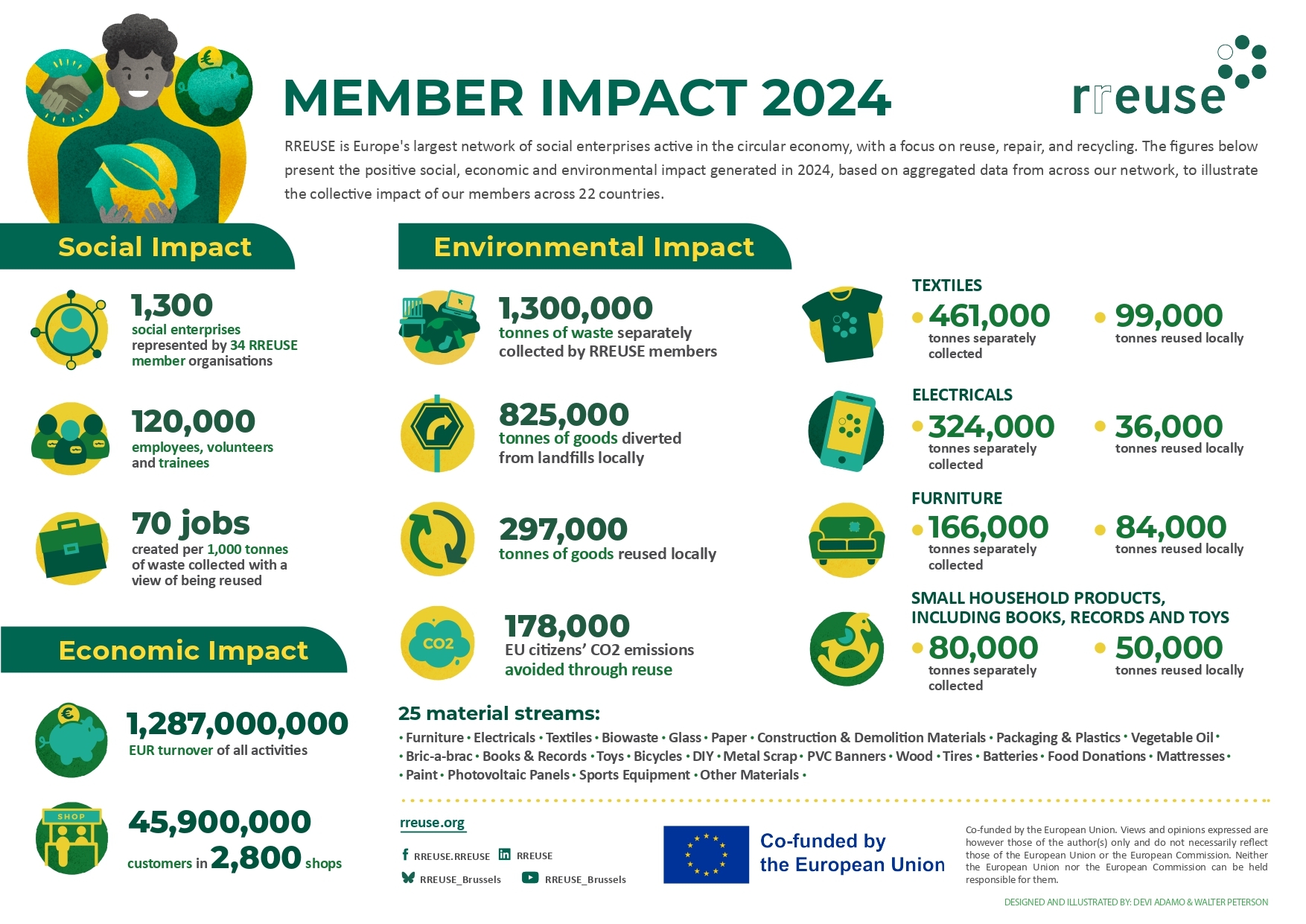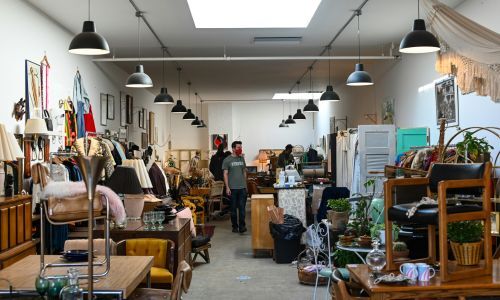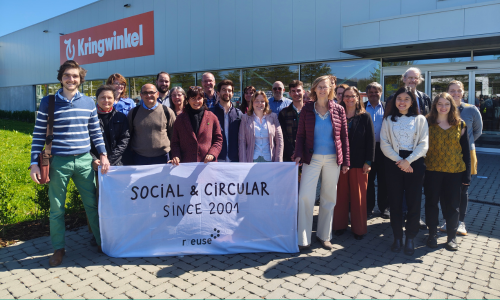
RREUSE social enterprise members across Europe extend product lifespans, create inclusive local jobs, and generate economic value through circular economy activities. Each year, RREUSE collects data from the network to capture the scale of this work. The member impact infographic compiles these results, highlighting their collective social, environmental, and economic contributions.
Through sustained advocacy and research, RREUSE contributed to work underpinning the 2021–2026 Social Economy Action Plan and the Council Recommendation on Developing Social Economy Framework Conditions. The adopted Recommendation reflects RREUSE’s positions and calls on Member States to integrate reuse and repair social economy actors into circular economy legislation and improve their access to public procurement, state aid, funding, and supportive taxation, including VAT.
RREUSE actively contributed to the textile-targeted revision of the Waste Framework Directive that formally recognises and supports the role of social economy enterprises in the second-hand textiles sector. This marks a significant shift in EU textile waste policy, demonstrating the impact of our network in shaping this key file. Beyond including more than 30 references to the social economy and social enterprises, the adopted Directive included key provisions to support the sector. Concrete examples include granting social enterprises equal or preferential access to waste streams and ownership of the textiles collected.
RREUSE's publication, Job Creation in the Reuse Sector, has provided widely cited evidence on the employment potential of the reuse sector. The report is referenced in the European Parliament's own-initiative report on job creation and impact investments, in the Greens/EFA 2023 report Green Jobs: Success and Opportunities for Europe, and the European Commission's official webpage on the EU strategy for sustainable and circular textiles.