In Madrid, a new approach to public procurement opened the door for social enterprises to lead on textile reuse. In 2018, the city introduced for the first time a lot within its textile collection tender reserved specifically for social enterprises. This created space for organisations working in reuse and social inclusion to bring their expertise into public service delivery.
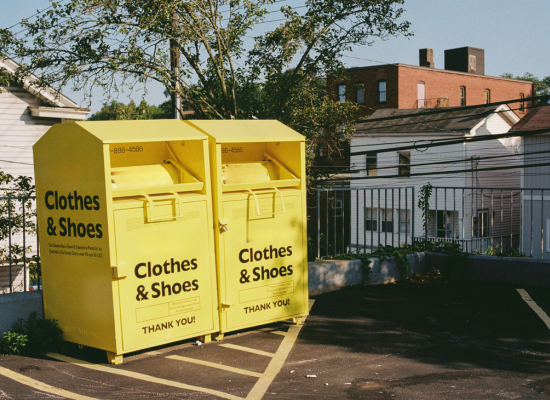
Through the Spanish network AERESS, Recumadrid reached out to Solidança to form a partnership. Together, they created a Temporary Business Association called Ecoinserta and successfully secured the contract. Ecoinserta took on the installation and management of textile collection containers, as well as the treatment of collected textiles in line with the waste hierarchy, with a strong emphasis on reuse.
The environmental impact has been substantial. Over the course of the contract, Ecoinserta collected and processed around 5,500 tonnes of textiles. Nearly half of these items were suitable for reuse, helping to keep valuable materials in circulation and reducing the demand for new textile production. According to Solidança, the collection, reuse and recycling activities supported through the contract save an estimated 10,000 to 13,500 tonnes of CO₂ every year.
The project has also generated important social benefits. Eight jobs were created, and people facing barriers to employment received training and hands‑on experience in textile collection, sorting and preparation for reuse. For both organisations, the contract has been an opportunity to expand their activities, strengthen their collaboration and show how greatly social enterprises can contribute to a more circular and inclusive economy.