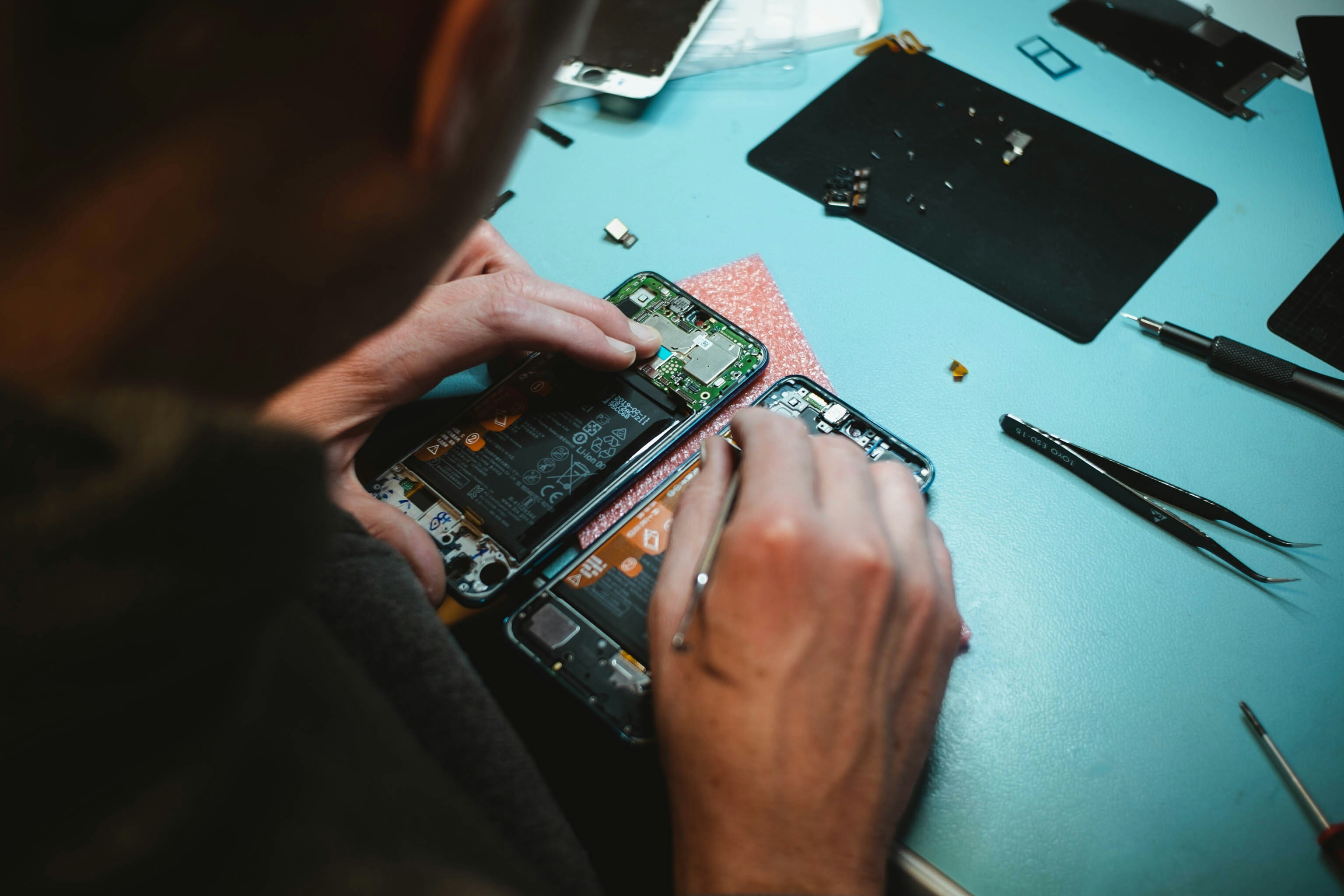
Repair is, after reuse, positioned at the top of the waste hierarchy as a key waste-prevention activity. It delivers clear and substantial environmental benefits by extending product lifetimes and reducing resource extraction, emissions, and waste generation.
Social enterprises have played a pioneering role in developing the repair sector and continue to act as critical enablers of the circular transition: they provide hands-on circular skills, facilitate the integration of workers in labour-market insertion pathways into mainstream employment, and empower citizens with practical knowledge that supports more sustainable consumption patterns.
Despite these well-documented environmental, social, and economic benefits, repair remains largely marginalised in legislative efforts to promote circularity, and in many cases lacks a viable business case.
Beside providing concrete examples of how social enterprises in our network are keeping products in use longer through repair, the paper focuses on key barriers that currently prevent repair from being a viable business model, including policy and regulatory gaps as well as consumer-related obstacles. The paper concludes with recommendations across relevant EU frameworks to help establish a business case for repair in a competitive circular economy. These recommendations are particularly relevant in the context of the upcoming Circular Economy Act, which should serve as a strong policy framework to support reuse and repair.