Alongside a coalition of European NGOs led by the European Environmental Bureau, RREUSE calls for the revision of the Electrical and Electronic Equipment (WEEE) Directive to focus on prevention, durability, repairability, and reuse – rather than on waste management alone.
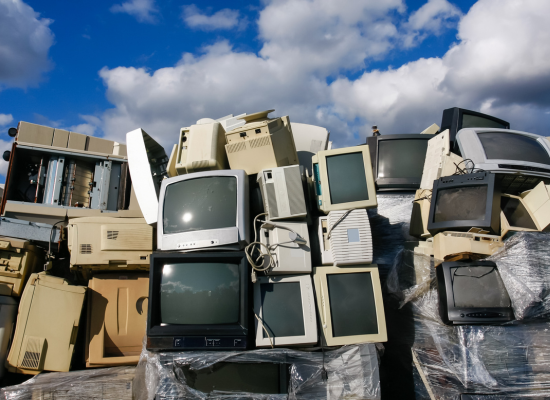
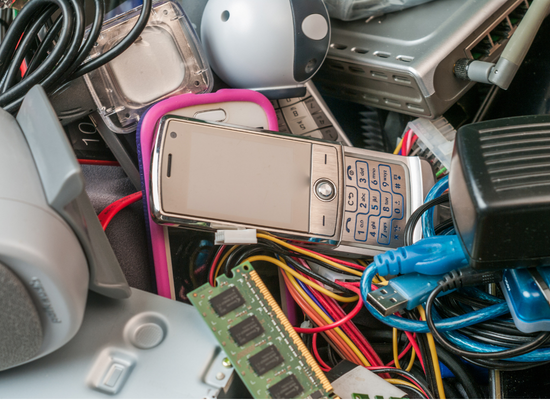
Current levels of production, use, and disposal of Electrical and Electronic Equipment (EEE) have severe environmental impacts and deplete scarce resources. Eurostat’s latest data once again confirms the worrying trend: more electronics are entering the EU market, and more e-waste is generated as a result.
At the same time, Waste from Electrical and Electronic Equipment (WEEE) represents a rich source of raw materials, including critical raw materials (CRMs). However, its potential remains largely untapped in terms of strengthening resource security and reducing Europe’s dependence on imports.
The initial Directive on WEEE was a pioneering step towards the environmentally sound management of e-waste; however, since its entry into force in 2012, challenges in managing EEE remain unresolved - or are even worsening. It is therefore urgently necessary to fundamentally revise the WEEE Directive into a new WEEE Regulation that facilitates the harmonisation of rules across the EU, while maintaining flexibility
In our joint paper, we outline key considerations for the ongoing revision process and call for the introduction of dedicated waste prevention targets and for transforming the Extended Producer Responsibility (EPR) into a genuine driver of waste prevention, durability, repairability, and reuse.