Door de website toch te gebruiken met deze browser kan de website er anders uitzien dan bedoelt en kunnen wij de veiligheid niet garanderen
Social Enterprises' Role in Furniture and Mattress Circularity
Published on 29 April 2026
What happens to the furniture you don’t want anymore and what happens to people who can't afford it in the first place? This report explores both questions, and the social enterprises already answering them.
Drawing on 14 case studies from across Europe, the report maps how social enterprises collect, recover, prepare for reuse and redistribute furniture and mattresses, thereby extending product lifespans, creating inclusive jobs and getting essential goods to communities that need them.
It also identifies the persistent challenges holding them back, from funding gaps and limited space to skill and capacity gaps, and the conditions that would allow them to grow and thrive.
If you work in the circular economy, social enterprise, policy or simply want to understand why 90% of furniture in the EU still ends up landfilled or incinerated, this report is for you.
The report is part of the Social Enterprises’ Role in Furniture and Mattress Circularity project, funded by IKEA Social Entrepreneurship.
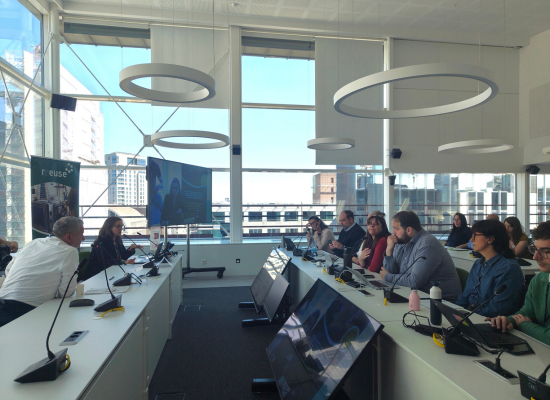
Did you miss our report launch, or do you want to rewatch it? We got you covered!