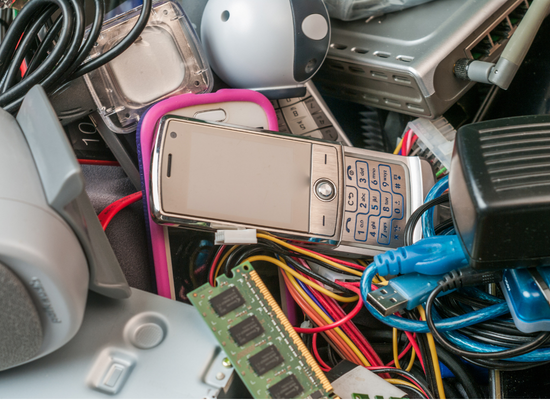
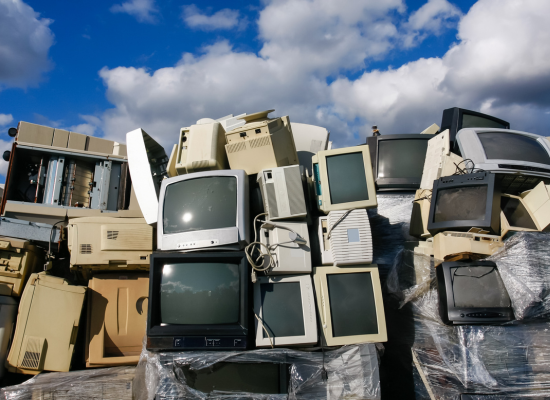
Extended Producer Responsibility (EPR) should be a powerful instrument for preventing Waste Electrical and Electronic Equipment (WEEE) and implementing the polluter-pays principle. Yet most WEEE EPR schemes remain narrowly focused on financing collection and recycling once products become waste. Fragmented rules, unclear responsibilities and weak incentives have prevented EPR from effectively supporting prevention, repair and reuse.
The revision of the WEEE Directive must overhaul and harmonise producer responsibility across the EU. In particular, it should:
- Clarify responsibilities. Producers and PROs must be directly responsible for achieving binding prevention, collection, preparation-for-reuse, and recycling targets.
- Ensure the meaningful inclusion of other actors. Municipalities, social enterprises, reuse operators and civil society must have meaningful decision-making power in the EPR system.
- Extend cost coverage to waste prevention to meet respective targets. EPR should finance repair, reuse, refurbishment, skills development, reuse-oriented infrastructure, consumer incentives and awareness raising. A dedicated share should support social-economy actors.
- Restructure and modulate EPR contribution. Establishing a two-tier structure of EPR contributions, separating contributions to waste prevention and waste management. Splitting the fee contribution would prevent funds being shifted from prevention measures to waste management where targets might be easier to achieve and ensure both tiers are sufficiently funded. In addition, an ambitious, harmonised bonus–malus system should reward more sustainable products and penalise harmful product designs and business practices.
- Address exported used electronics. The Commission should evaluate a mechanism that allows EPR contributions to follow used electronics exported outside the EU and finance environmentally sound treatment, safe working conditions and remediation in receiving countries.
- End free-riding of online sellers. Online platforms must be obliged to verify sellers’ EPR compliance and assume legal and financial responsibility where no other liable operator is established or reachable in the EU. Public, interoperable producer registers should support enforcement.
These reforms would align EPR with the waste hierarchy, create stable funding for prevention and ensure that producers assume greater responsibility for the full lifecycle impacts of their products.